Get Electrical Panel Installation
Electrical panel installation services help property owners upgrade, replace, or install panels to ensure safe, reliable power distribution for new or existing electrical systems.
Electrical panel installation is a key step in ensuring a property's electrical system is safe, efficient, and capable of supporting modern power needs. Property owners in the area often explore this work when upgrading outdated panels, expanding electrical capacity for new appliances, or preparing a building for renovations. By planning ahead and comparing local contractors, property owners can find the right service providers to meet their specific electrical requirements with confidence.
Choosing experienced local contractors for electrical panel installation can help streamline the process and ensure the work aligns with safety standards and local codes. Whether upgrading for increased demand or installing a new panel in a new construction project, property owners are encouraged to explore their options and connect with service providers who specialize in this work. Keep reading to learn more about how local experts can assist with your electrical needs.
- Electrical Panel Replacement - needed when upgrading an outdated or faulty electrical system to ensure safety and reliability.
- New Construction Panel Installation - required for new buildings or additions to accommodate electrical demands.
- Main Panel Upgrades - necessary when increasing capacity to support additional appliances or renovations.
- Commercial Electrical Panel Setup - essential for businesses establishing new offices or expanding operations.
- Rewiring and Panel Repair - needed to address electrical issues or code compliance in existing installations.
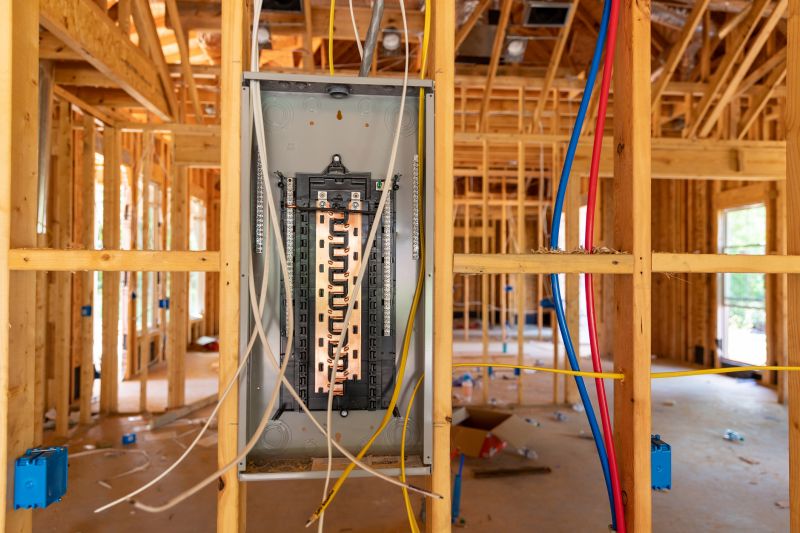
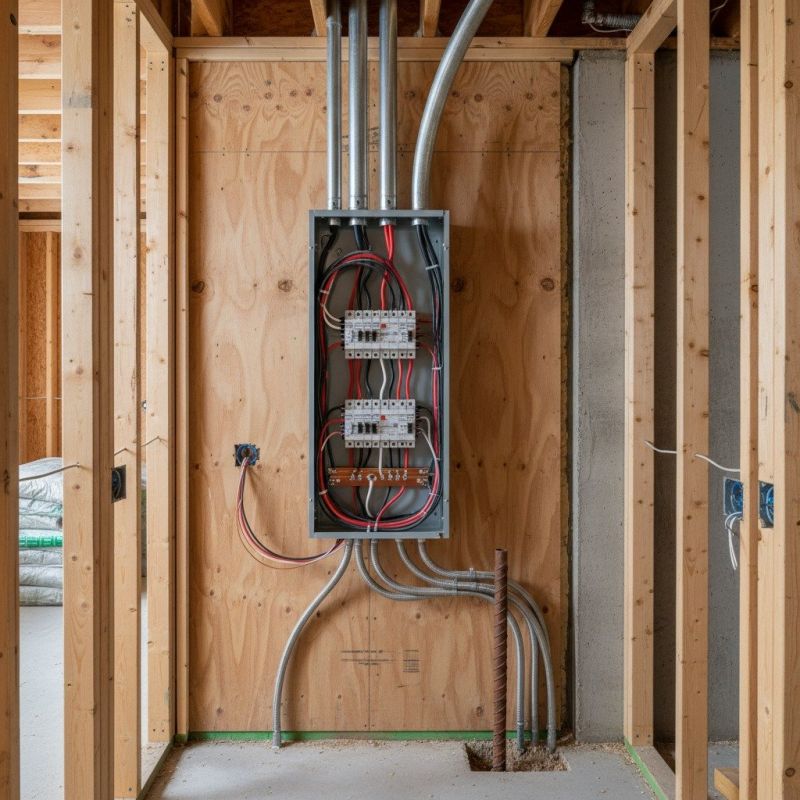
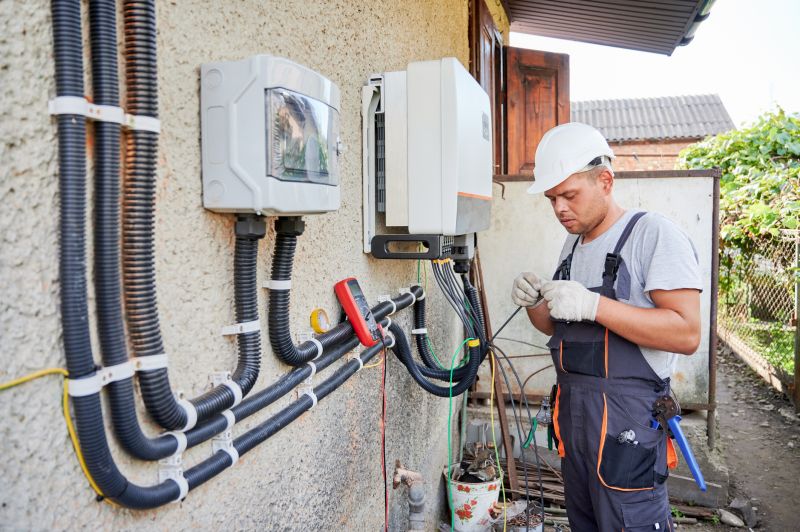
Electrical panel installation services involve replacing or upgrading the main electrical panel that distributes power throughout a property. This process includes removing an outdated or malfunctioning panel and installing a new one that can handle increased electrical demands. Proper installation ensures that the electrical system functions safely and efficiently, reducing the risk of electrical issues such as frequent breaker trips, power surges, or insufficient power supply for modern appliances and devices.
This service helps address common electrical problems that arise from aging or inadequate panels. Over time, older panels may become unsafe or unable to support new electrical loads, leading to potential fire hazards or system failures. Upgrading the electrical panel can resolve these issues, providing a more reliable power source, improving overall safety, and allowing for the addition of new circuits to accommodate renovations or new appliances.
Electrical panel installation is often needed in a variety of property types, including older homes with outdated wiring, new construction projects, or homes undergoing significant renovations. Commercial buildings and multi-family residences may also require panel upgrades to meet increased electrical demands or comply with current codes. Homeowners should consider a panel upgrade if they experience frequent electrical problems, notice signs of wear like burning smells or sparks, or plan to add high-energy appliances or systems.
Local contractors who specialize in electrical panel services can assess the specific needs of each property and recommend appropriate solutions. They handle the entire installation process, ensuring that the new panel is correctly integrated into the existing electrical system. Contacting experienced service providers can help ensure that electrical panels are installed safely, efficiently, and in accordance with local electrical standards.
The overview below groups typical Electrical Panel Installation projects into broad ranges so you can see how smaller, mid-sized, and larger jobs often compare in your area.
In many markets, a large share of routine jobs stays in the lower and middle ranges, while only a smaller percentage of projects moves into the highest bands when the work is more complex or site conditions are harder than average.
Smaller Repairs - typical costs range from $250 to $600 for common tasks like replacing circuit breakers or upgrading a single outlet. Many routine repairs fall within this middle range, making it a common expense for homeowners.
Panel Upgrades - upgrading an existing electrical panel usually costs between $1,000 and $3,000, depending on the size and complexity of the upgrade. Larger, more complex projects can reach $4,500 or more, but these are less common.
Full Replacement - replacing an entire electrical panel often costs between $2,500 and $5,000, with factors like panel size and accessibility influencing the final price. Many projects in this category fall into the middle of this range, while more extensive jobs can go higher.
Large or Complex Installations - extensive electrical system overhauls or custom installations can cost $5,000 or more. Such projects are less frequent and typically involve additional work like wiring upgrades or additional circuits, which can significantly increase costs.
Actual totals will depend on details like access to the work area, the scope of the project, and the materials selected, so use these as general starting points rather than exact figures.
Commercial Electrical Wiring - involves installing and upgrading electrical systems in business settings, requiring similar planning, wiring skills, and safety considerations as electrical panel installations.
Electrical System Troubleshooting - focuses on diagnosing and repairing electrical issues, utilizing similar tools and knowledge of electrical panels and circuits.
Generator Installation - requires integrating backup power systems with existing electrical panels, demanding comparable electrical planning and installation expertise.
Lighting Fixture Installation - involves wiring and connecting lighting systems that often interface with the main electrical panel, sharing foundational electrical skills.
Home Wiring Renovations - includes updating or expanding residential electrical systems, which involves panel upgrades and detailed planning similar to electrical panel installation projects.
Electrical Metering and Submetering - entails installing meters and submeters that connect to the electrical panel, requiring precise wiring and system integration skills.
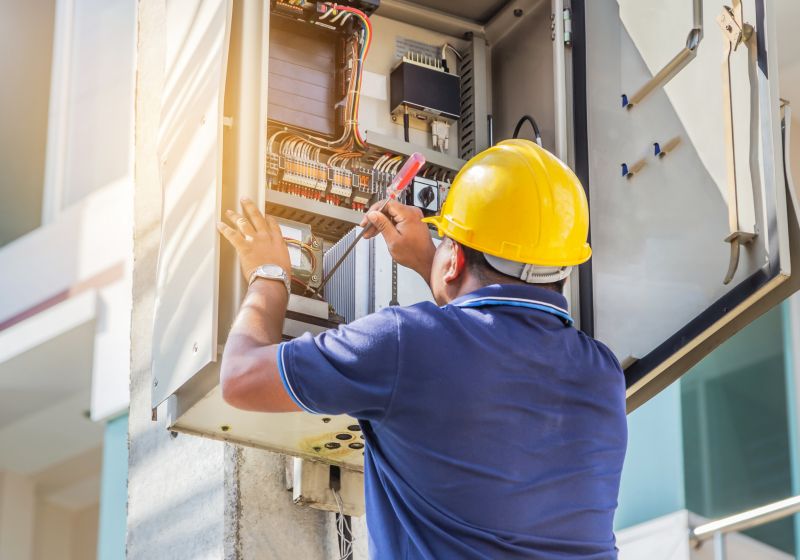
When selecting a service provider for electrical panel installation, it’s important to consider their experience with similar projects. Homeowners should look for local contractors who have a proven track record of handling electrical panel upgrades or replacements comparable to the scope of their needs. An experienced professional is more likely to understand the nuances of different electrical systems and can help ensure the work is completed safely and effectively. Checking how long a contractor has been working in the area and their familiarity with local codes and standards can provide additional insight into their capability to deliver quality results.
Clear written expectations are essential to a smooth project process. Homeowners should seek out local pros who provide detailed estimates and scope of work upfront, outlining what is included and any potential variables. This helps prevent misunderstandings and ensures all parties are aligned on the project’s goals. Establishing transparent communication early on can also make it easier to address questions or concerns as the work progresses. Reputable service providers are typically willing to document their plans and processes, which can serve as a helpful reference throughout the project.
Good communication and reputable references are key indicators of a reliable local contractor. Homeowners should inquire about references from previous clients who had similar work done, as these can offer valuable insights into the contractor’s professionalism and quality of service. Additionally, a service provider who maintains open lines of communication-promptly answering questions and providing updates-can help foster a positive working relationship. While the site introduces homeowners to local options, it’s important to remember that the actual installation work will be performed by qualified local contractors, making thorough comparison and research a vital step in choosing the right partner for the job.
Property owners use Electrical Panel Installation services for practical projects around their homes and businesses. This guide focuses on everyday jobs and straightforward project options.
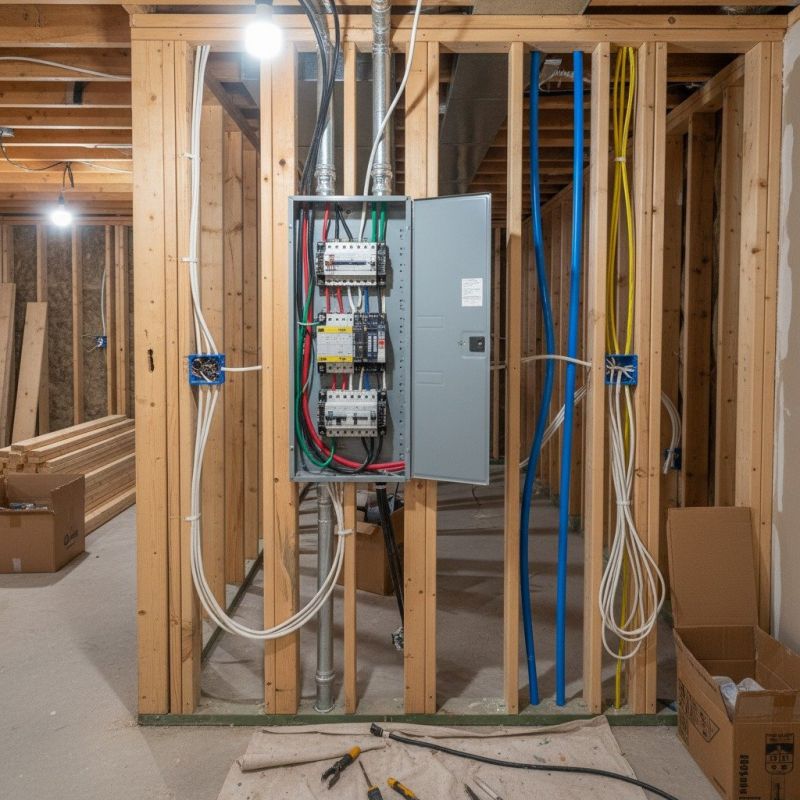
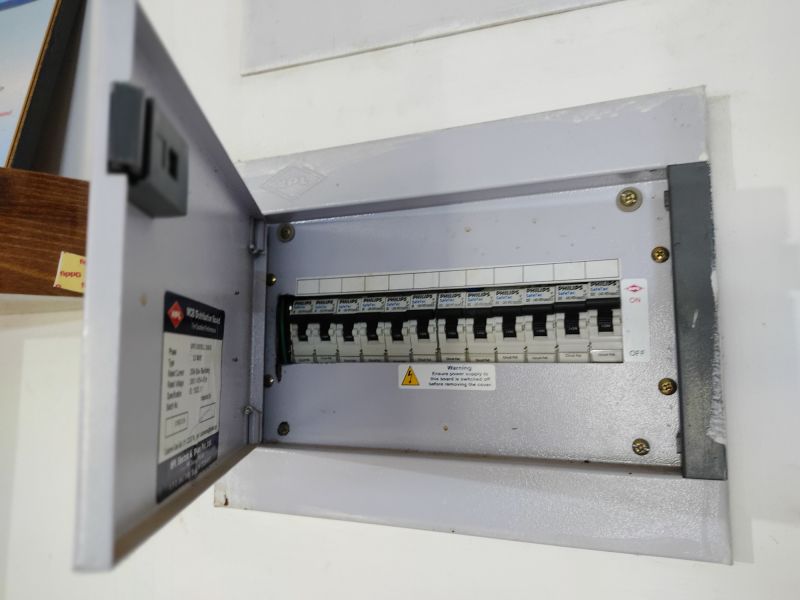
Electrical panel installation is a common project for property owners who are upgrading their electrical systems, whether due to aging panels, increased power needs, or renovations. Homeowners and business owners might seek out local contractors to replace outdated panels, add new circuits, or upgrade their electrical infrastructure to meet current safety standards. These services are often needed during major home improvements, new construction, or when experiencing frequent electrical issues that require a more reliable and efficient setup.
Many property owners look for local service providers to handle electrical panel work to ensure their electrical systems are properly configured and capable of supporting modern appliances and technology. Whether installing a new panel in a recently built property or upgrading an existing one to accommodate additional loads, local contractors can provide the expertise needed for a safe and compliant installation. Connecting with experienced professionals can help property owners address electrical needs promptly and effectively, ensuring their property remains functional and safe.
What is involved in electrical panel installation? Electrical panel installation includes selecting the appropriate panel for the property’s electrical needs, disconnecting the existing panel if necessary, and safely wiring the new panel to ensure proper power distribution throughout the building.
Why should I hire a professional for electrical panel installation? Hiring a professional ensures that the installation meets safety standards, complies with local electrical codes, and is performed correctly to prevent potential electrical issues or hazards.
What types of electrical panels are available for installation? Common options include main breaker panels, subpanels, and specialized panels for specific appliances or systems, with the choice depending on the property's electrical requirements.
How do local contractors determine the right electrical panel for a property? Contractors assess the property's electrical load, future expansion plans, and existing wiring to recommend a panel that provides reliable power and accommodates specific needs.
What should I consider when planning for electrical panel upgrades? Consider the current and future electrical demands, compatibility with existing wiring, and the safety features of the new panel to ensure a reliable and safe electrical system.
Upgrade Electrical Panels - Property owners can enhance safety and capacity by replacing outdated electrical panels during renovations or additions.
Electrical Panel Maintenance - Regular inspections and upgrades can help prevent electrical issues in homes with growing power needs or older wiring systems.
Electrical Panel Safety Improvements - Installing surge protectors or safety devices can protect appliances and electronics from power surges and electrical faults.
Custom Electrical Panel Solutions - Service providers can design and install panels tailored to specific household or business electrical requirements.
If you are thinking about Electrical Panel Installation for a property, this guide is meant to help you understand the work, the typical project types, and how different options might fit your plans.
When you are ready, you can use the quote form on this page to share a few details about your project. From there, local pros can review the basics and respond with options that match what you have in mind.